Nomadic Real Estate and Sustainable Tourist
Travel has actually always been tied to activity, however a growing number of individuals are asking whether the locations we stay while taking a trip can move too. Nomadic real estate, from converted vans and small homes on wheels to modular sheathings and yurts, is reshaping how travelers experience locations while lowering the environmental footprint that conventional friendliness usually leaves behind. As sustainable tourism ends up being much less of a particular niche passion and even more of an assumption, nomadic real estate supplies a sensible and thoughtful answer to the question of exactly how we can take a trip without completely modifying the landscapes we check out.
What Is Nomadic Real estate?
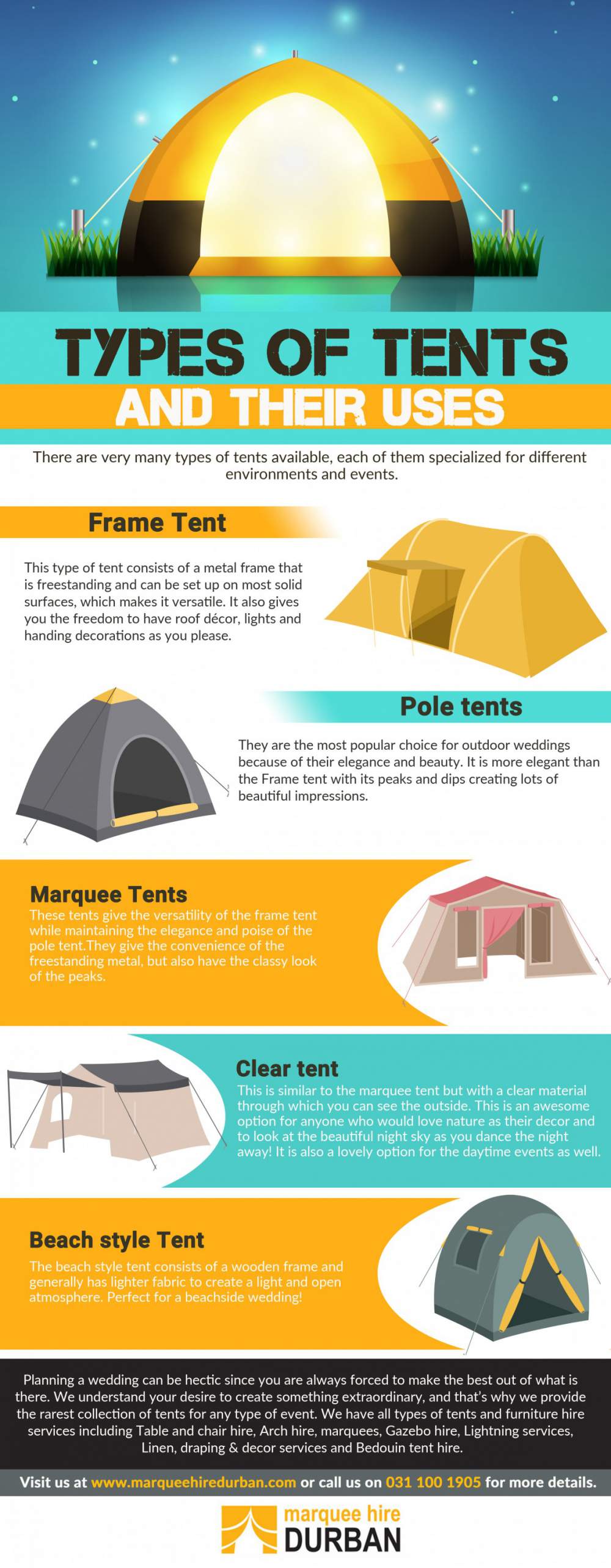
Nomadic housing refers to living frameworks made for mobility rather than durability. This consists of camper vans, tiny houses improved trailers, geodesic domes, yurts, and also blow up or collapsible sheath frameworks that can be set up and taken apart with very little interruption to the land below them. Unlike hotels or hotels, which call for substantial building and construction, land clearing up, and recurring framework, nomadic real estate is developed around the idea of leaving a light footprint. A lot of these structures are also off-grid qualified, depending on solar power, composting toilets, and rainwater collection systems, which lowers their dependancy on regional utility networks that can already be stressed in prominent vacationer areas.
Why Sustainable Tourist Demands Adaptable Solutions
Mass tourist has a well-documented tendency to bewilder the locations it loves. Coastal towns deal with disintegration from overdevelopment, hill regions shed indigenous plant life to give way for lodges, and historical town hall are burrowed by temporary rentals. Sustainable tourism seeks to counter this by motivating traveling that supports local economies and communities without diminishing them. Nomadic housing fits naturally into this goal due to the fact that it does not need permanent land conversion. A collection of mobile cabins can hold visitors throughout top season and be transferred or gotten rid of when demand goes down, permitting land to remainder and recuperate instead of staying completely built on.
The Environmental Situation for Mobile Remains
The ecological benefits of nomadic real estate surpass simply avoiding long-term building. Mobile and modular systems are usually built with lighter products, which minimizes the carbon impact of transportation and production. Because these structures are small, they additionally have a tendency to make use of less power for cooling and heating, and several are particularly designed to make best use of natural light and air flow.
Decreasing Land Disturbance
Typical hotel development typically includes grading land, pouring concrete foundations, and mounting considerable plumbing and electrical systems that completely change local environments. Nomadic structures, by comparison, can be placed on existing surfaces or marginal platforms, leaving dirt, root systems, and water drainage patterns mostly undamaged. This is particularly beneficial in delicate environments like deserts, marshes, and alpine areas, where recovery from building damages can take decades.
Sustaining Circular Source Usage
Numerous nomadic real estate designs incorporate round source principles, consisting of greywater recycling, solar energy storage space, and composting systems. Because these systems are self-contained, they motivate both building contractors and travelers to believe meticulously about resource consumption in ways that a linked hotel area, with its limitless water and power, seldom needs.
Economic and Cultural Conveniences for Local Neighborhoods
Lasting tourist is not just about environmental effect; it is likewise regarding making certain that tourist revenue benefits regional neighborhoods as opposed to distant corporations. Nomadic housing versions typically offer themselves to small, in your area owned operations. A household with a couple of acres of land can host mobile cabins or yurts without requiring the capital needed to develop a complete hotel, which maintains tourist revenue within the area as opposed to channeling it to huge hospitality chains.
Urging Slower, More Intentional Travel
There is also a cultural shift occurring together with the physical one. Nomadic housing has a tendency to bring in vacationers curious about slower, much more deliberate experiences instead of the transactional nature of regular resort keeps. Visitors that pick a transformed van website or an off-grid husk are typically attracted by interest regarding regional environments, food systems, and customs, which can equate into deeper involvement with the areas they see.
Difficulties Dealing With Nomadic Housing
Despite its assurance, nomadic real estate is not without challenges. Zoning laws in many areas were composed with permanent frameworks in mind and have not caught up with mobile or modular real estate concepts. Access to reputable off-grid framework, especially water and waste management, can also be a limiting factor in remote locations. In addition, as nomadic holiday accommodations end up being more preferred, there is a threat that they could be scaled up in ways that replicate the really overdevelopment they were indicated to prevent, particularly if huge business enter high camp flask the room simply for profit rather than sustainability.
Looking Ahead
Nomadic real estate will certainly not replace traditional friendliness, neither must it attempt to. Rather, it stands for one tool among lots of for constructing an extra sustainable tourism sector, one that treats land as something to be respected as opposed to permanently declared. As more vacationers look for meaningful, low-impact experiences, and as even more neighborhoods search for tourism versions that shield instead of deplete their sources, nomadic housing is most likely to move from a particular niche pattern into a conventional part of just how we think about travel altogether.